How to Choose the Right Silicone Wrist Weights for Your Brand
How to Choose the Right Silicone Wrist Weights for Your Brand
Silicone Wrist Weights have become a practical product category for Pilates studios, yoga brands, Amazon sellers, retailers and distributors that want compact training accessories with strong private label potential.
Introduction
For many fitness brands, the question is no longer whether wrist weights are useful. The more important question is how to choose a version that fits the brand, target customer and sales channel. A Pilates studio may need comfortable light resistance for controlled movement. An Amazon seller may care more about packaging, listing photos and clear weight options. A retailer or distributor may need a product that is easy to explain, easy to display and flexible enough for different customer groups.
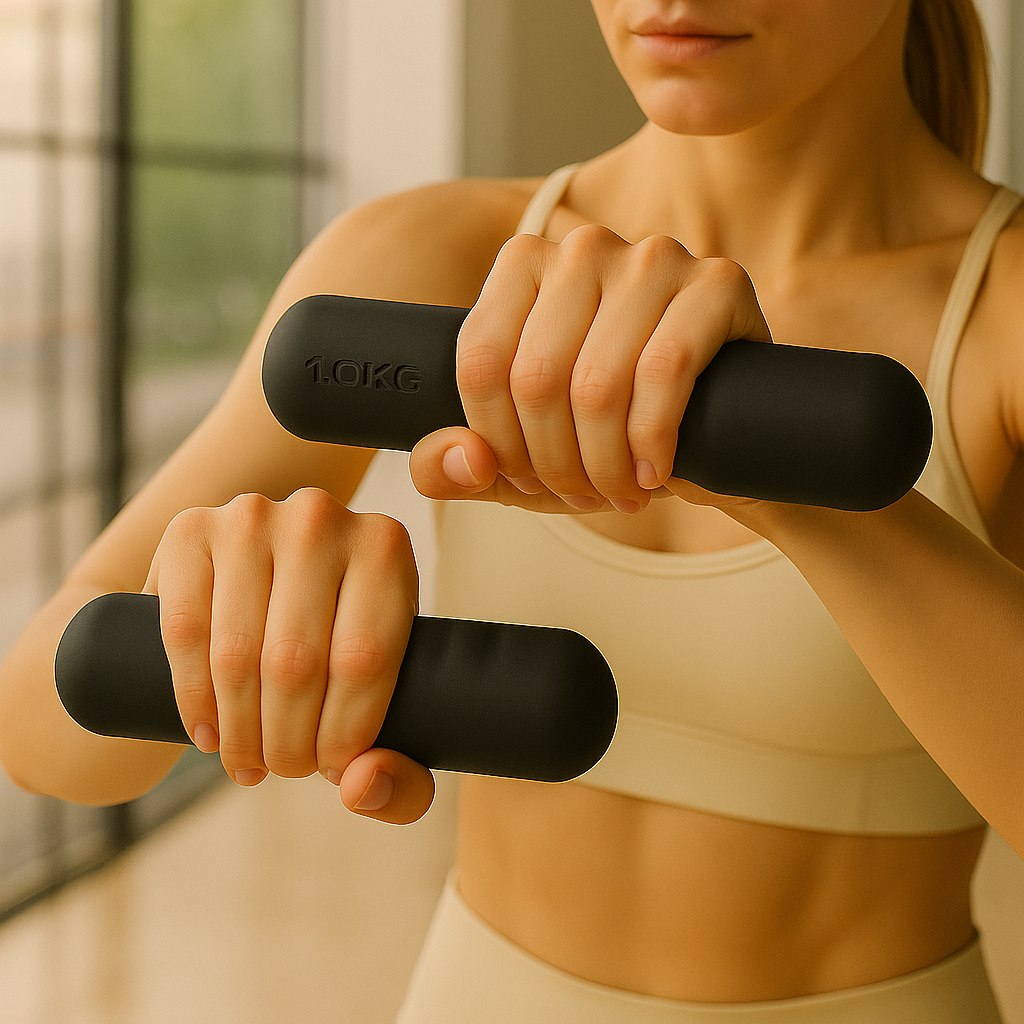
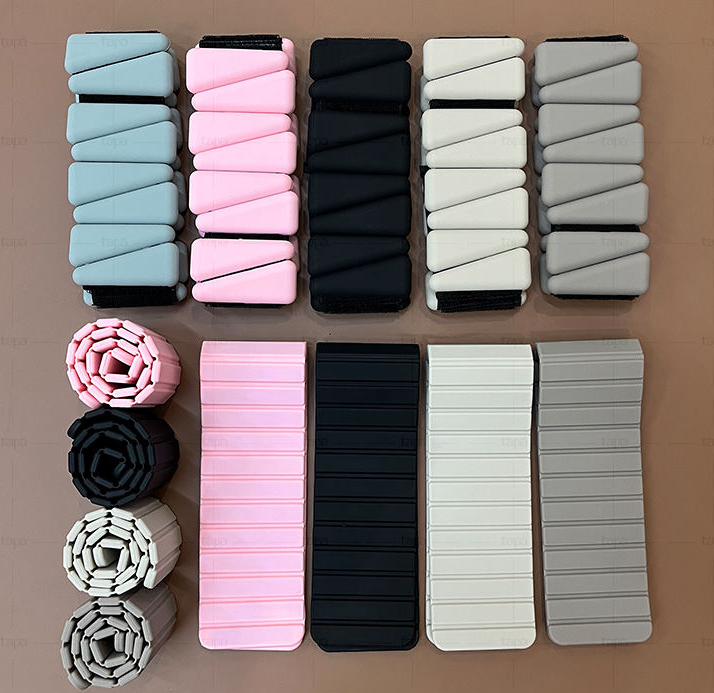
Silicone Wrist Weights are especially attractive because they combine function with visual merchandising value. The smooth silicone surface looks cleaner than many fabric styles, can be developed in soft custom colors and can be paired with yoga mats, Pilates rings, resistance bands, silicone dumbbells and gift boxes. For private label buyers, this makes the product more than a single accessory. It can become part of a complete fitness collection.
This guide explains how brands can evaluate wrist weights by weight, material, construction, customer group, color, logo method, packaging and OEM capability. It is written for B2B buyers who need practical purchasing guidance rather than a consumer fitness tutorial.
What Makes Silicone Wrist Weights Different?
Silicone wrist weights are wearable resistance products designed to be worn around the wrist, and in some constructions, around the ankle. Unlike dumbbells, they do not need to be held during movement. This hands-free format makes them suitable for Pilates, barre, walking, low-impact strength routines and home workouts where users want light resistance without interrupting natural movement.
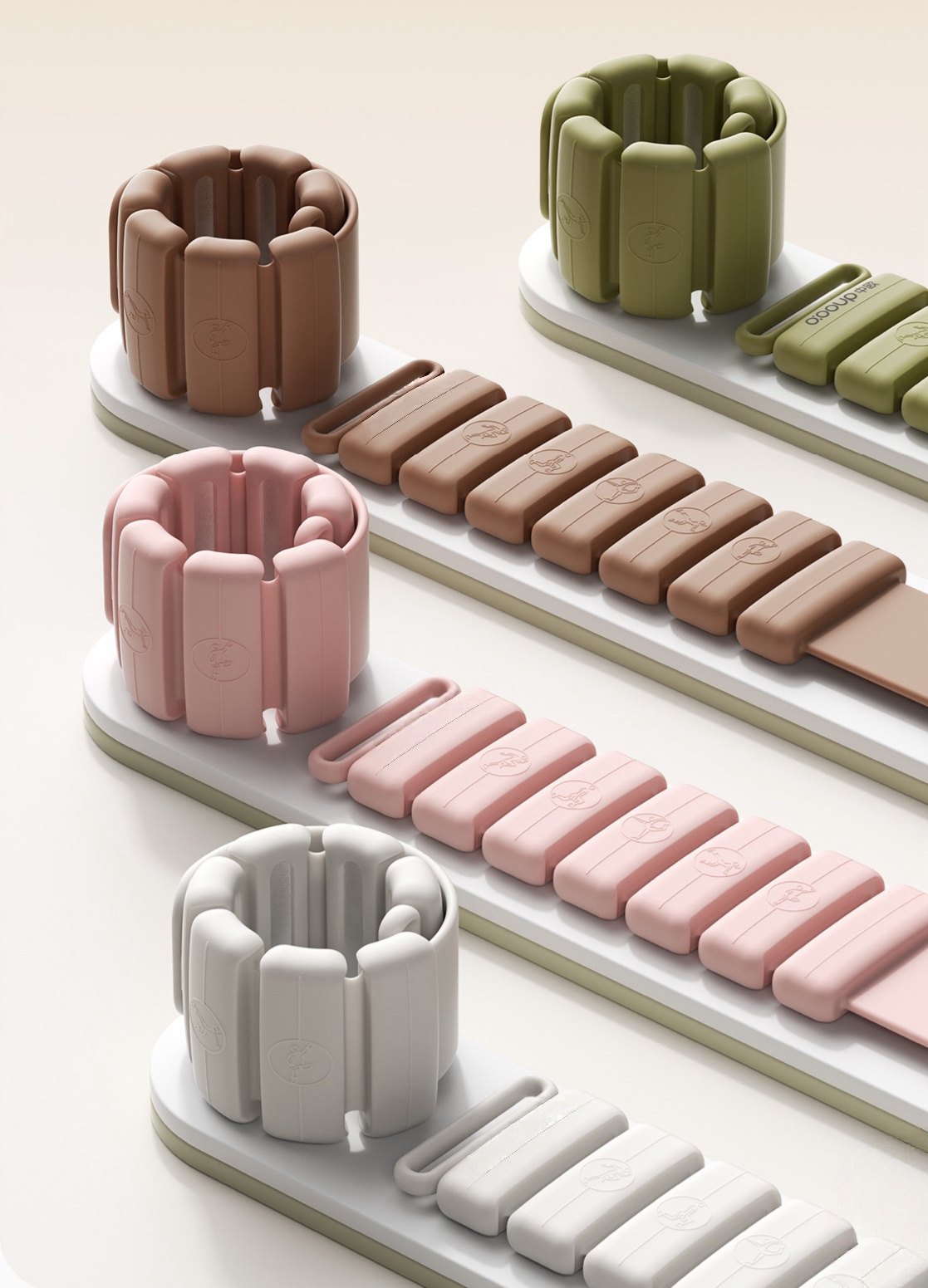
The silicone exterior is one of the main reasons brands choose this product category. Silicone can feel soft, smooth and modern. It is also easier to wipe clean than many traditional fabric-only accessories, which matters for studio environments and shared equipment programs. When the surface is paired with internal weighted elements and an adjustable strap system, the result is a compact product that works for both training and retail presentation.
For brands, the product also offers strong design flexibility. Colors can be developed around a brand palette, logos can be added through suitable branding methods, and packaging can be upgraded from simple shipping protection to retail-ready presentation. This is why many buyers consider wrist weights when building private label fitness products or coordinated wellness collections.
Practical Buying Guide for Brands
Choose the Right Weight Range
Weight selection should start with the customer and the workout style. Pilates, barre and walking programs usually need light resistance that feels approachable and controlled. General home fitness customers may prefer a wider range of resistance options. If the product is sold online, the weight range should be easy to explain in product titles, images and packaging copy.
Brands should avoid choosing weight only by what looks impressive on a specification sheet. A product that is too heavy for the intended workout can feel uncomfortable, while a product that is too light may not match the customer expectation. For studio use, comfort and repeat use are often more important than maximum load. For retail and e-commerce, clear product positioning matters: beginner, everyday training, Pilates studio, walking, or gift set.
Evaluate Material and Construction
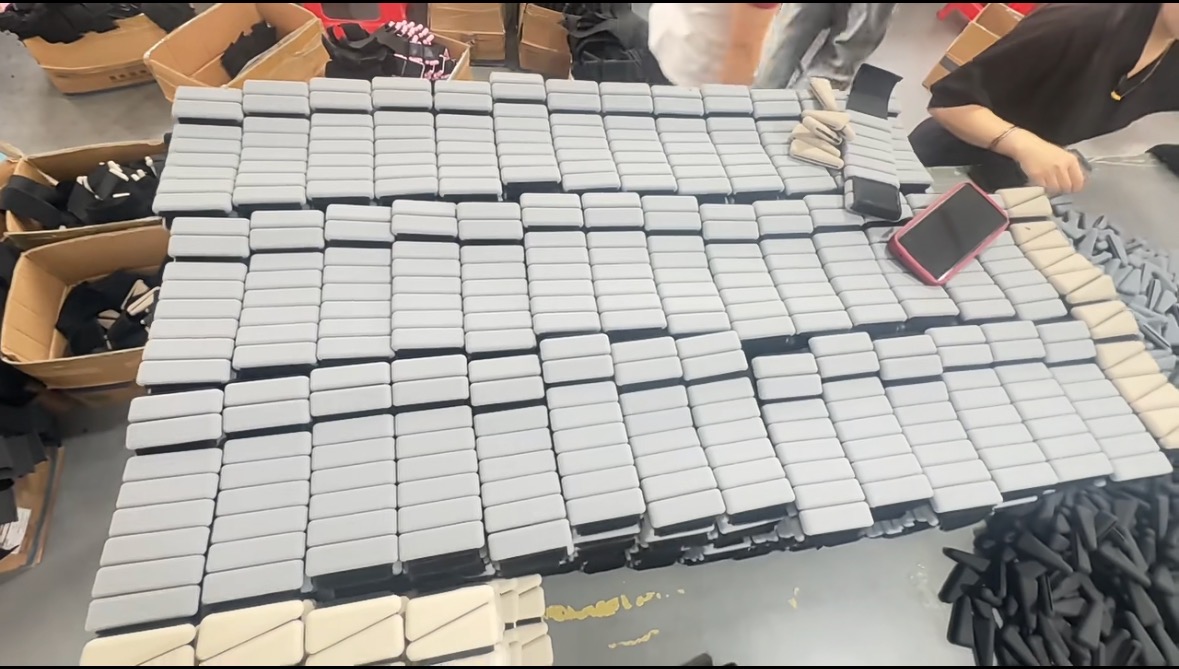
The main product experience comes from the combination of silicone, internal weight material and strap construction. A smooth silicone surface can support a more premium appearance and makes the product easier to coordinate with other accessories. The strap should feel secure and practical for the intended user group. Buyers should review samples for surface feel, edge comfort, strap length, adjustment range and how the product sits during movement.
Match the Product to the Sales Channel
Colors, Logos and Packaging Decisions
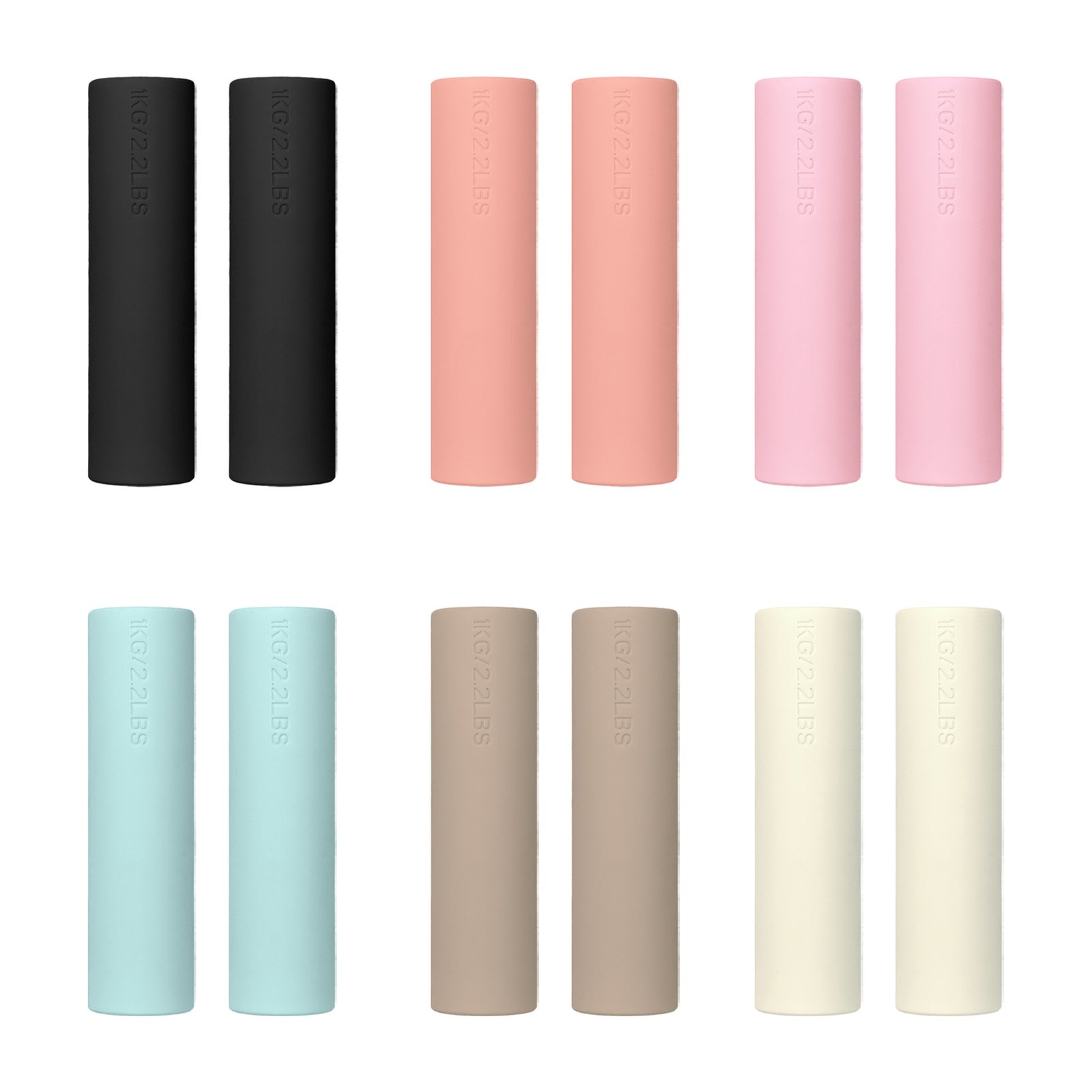
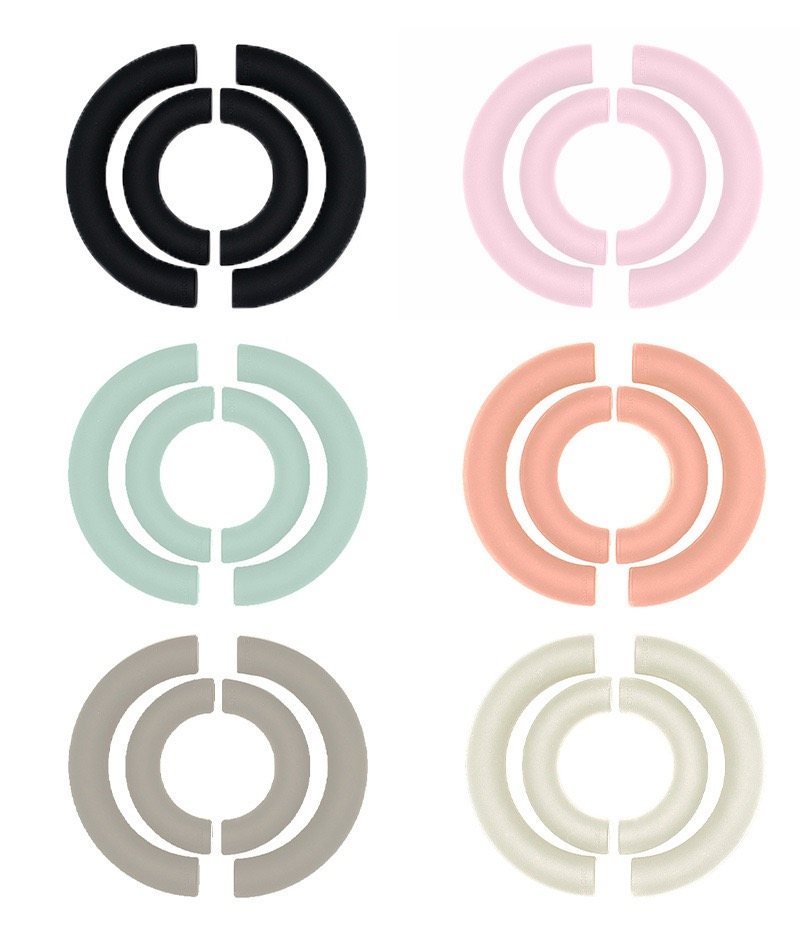
Color is one of the most important buying decisions for modern fitness accessories. Many brands want wrist weights that match yoga mats, Pilates rings, silicone dumbbells, resistance bands and bottles. A coordinated color language can make a product line look more professional across e-commerce stores, studio shelves and social media content.
Pantone color matching is useful when buyers need a specific brand tone instead of generic stock colors. However, color development should be reviewed with real samples because silicone color can appear different depending on lighting, surface texture and surrounding materials. Brands should also consider strap color, logo color and packaging color together rather than treating each decision separately.
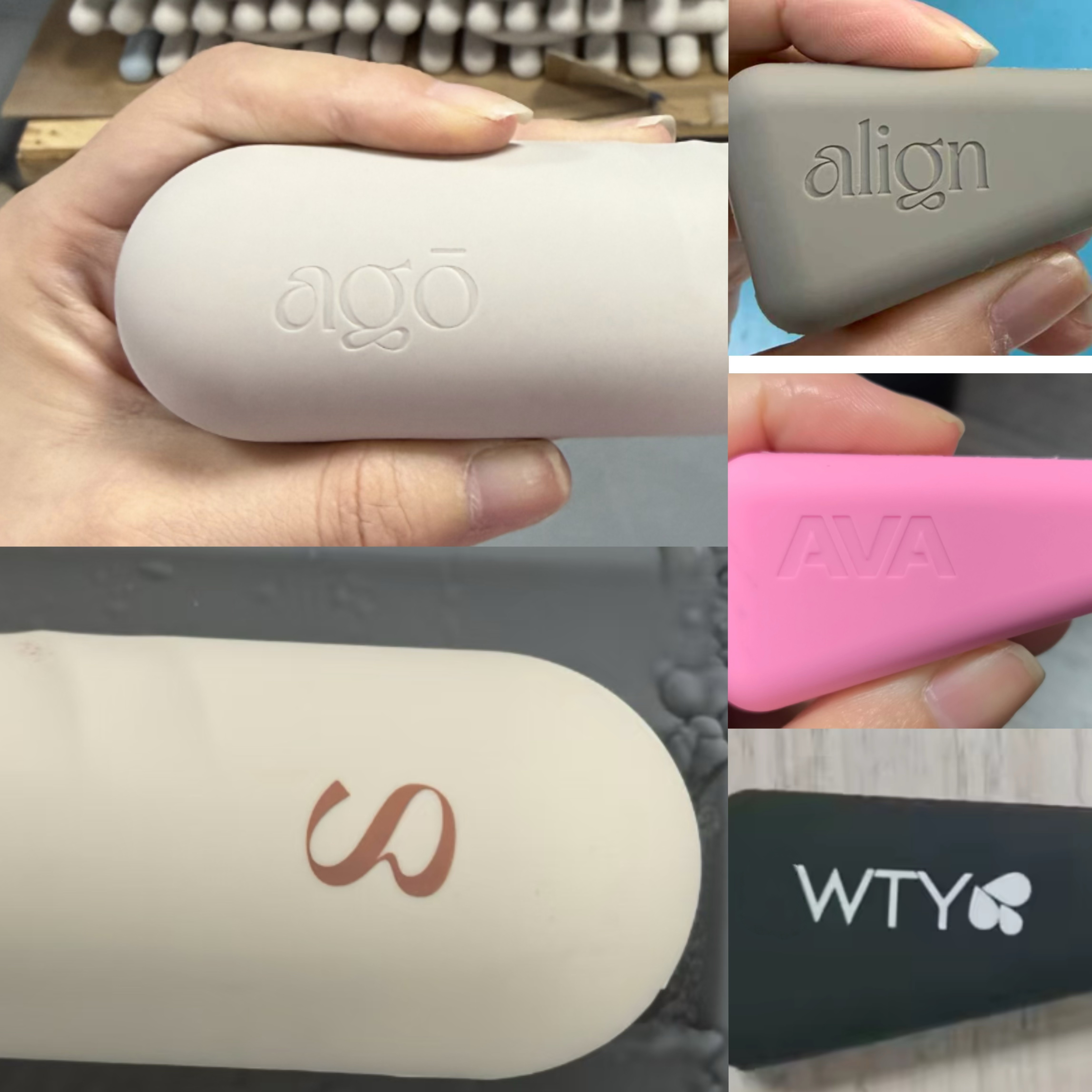
Logo method is another important choice. Depending on the surface and design, buyers may consider printing, embossed branding, debossed branding or other suitable marking methods. A highly visible logo may be useful for retail photography, while a tonal or subtle logo may better fit premium wellness branding. The right method depends on the brand positioning, artwork size and expected product finish.
Packaging should also match the business model. A studio may prefer a clean branded box that feels like a gift item. An Amazon seller may need protective packaging, barcode labels and instructions. Retailers may need hang tags, color boxes or gift boxes depending on how the product is displayed. Packaging is not only protection. It shapes the customer’s first impression and affects how easily a product can be sold as a private label item.
OEM and Private Label Opportunities
For brands that want more than a stock accessory, OEM and private label development can make silicone wrist weights more aligned with the target market. Custom colors, logo customization, weight selection, packaging style and product bundles can all help a brand create a more complete offer. This is especially useful when the brand wants to sell a collection instead of one isolated product.
A practical private label program should start with a clear product brief. Buyers should define target customer, preferred weight range, color palette, logo style, packaging level, target quantity and expected sales channel. This gives the manufacturer enough context to recommend suitable options. Without that information, a product can look good in isolation but fail to match the real selling environment.
MOQ is another key planning point. Low MOQ support can help startups, Pilates studios and growing fitness brands test a product before scaling. Larger brands may care more about repeat orders, packaging consistency and a product roadmap across multiple accessories. In both cases, the goal is to build a product that fits the brand’s identity and commercial plan.
Build a Coordinated Fitness Collection
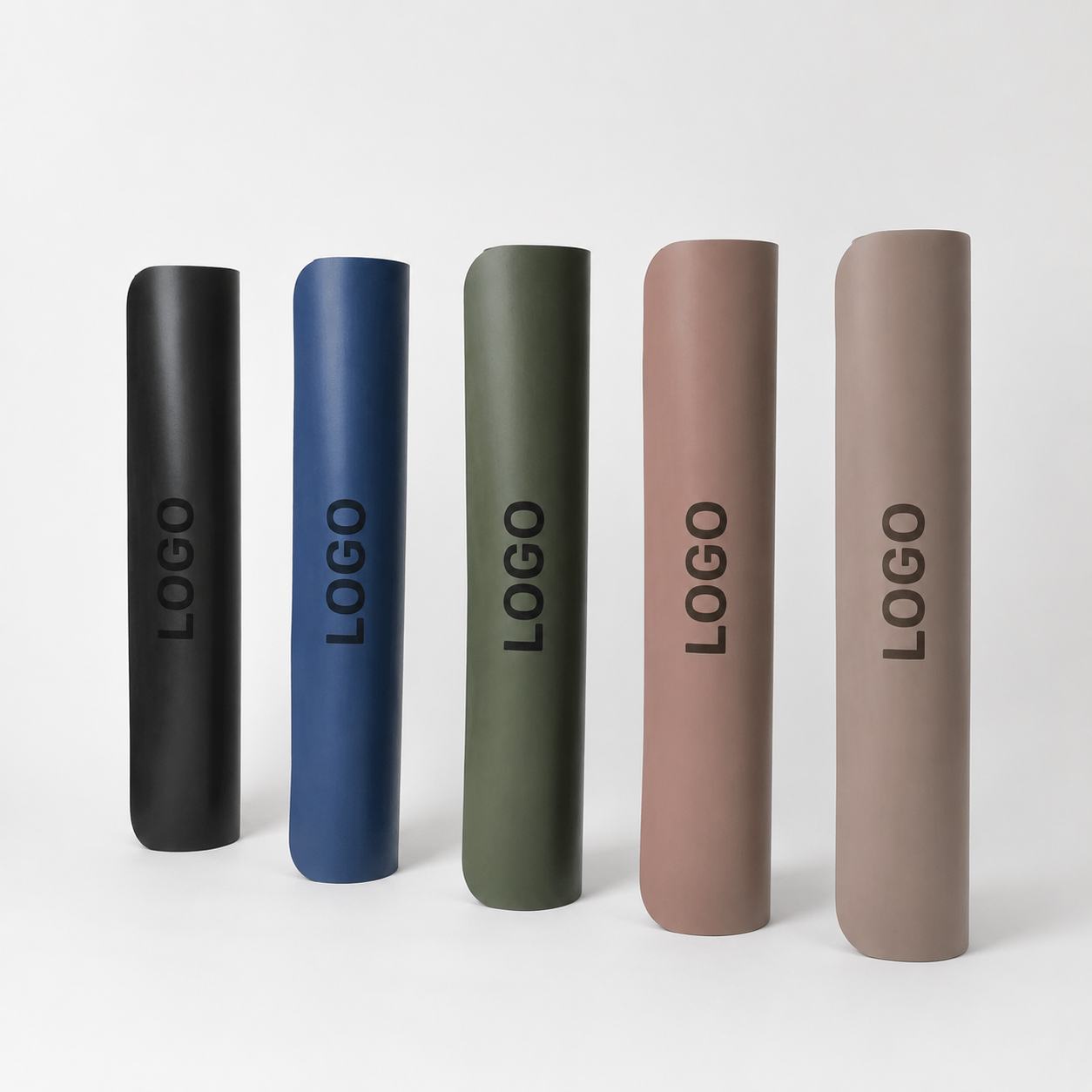
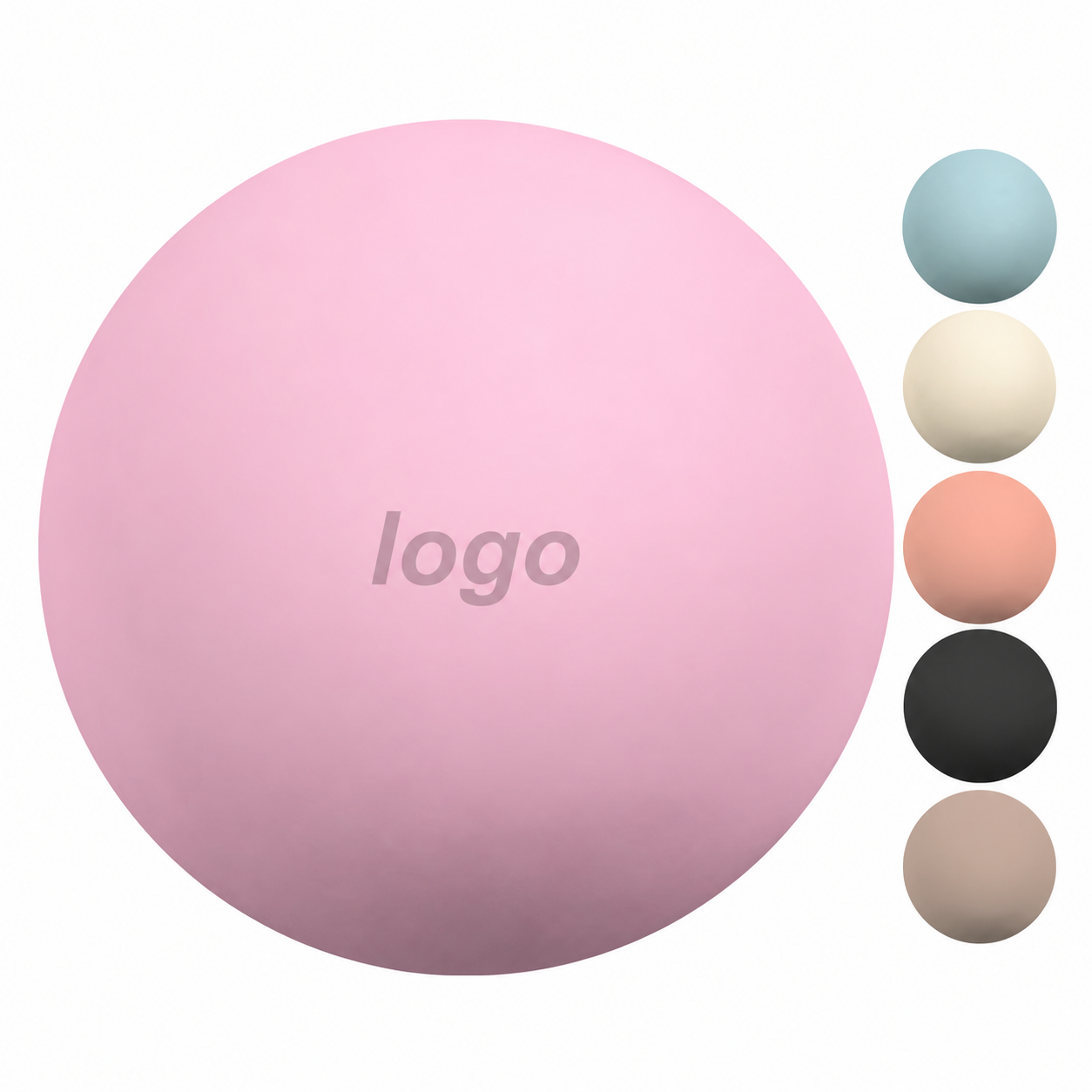
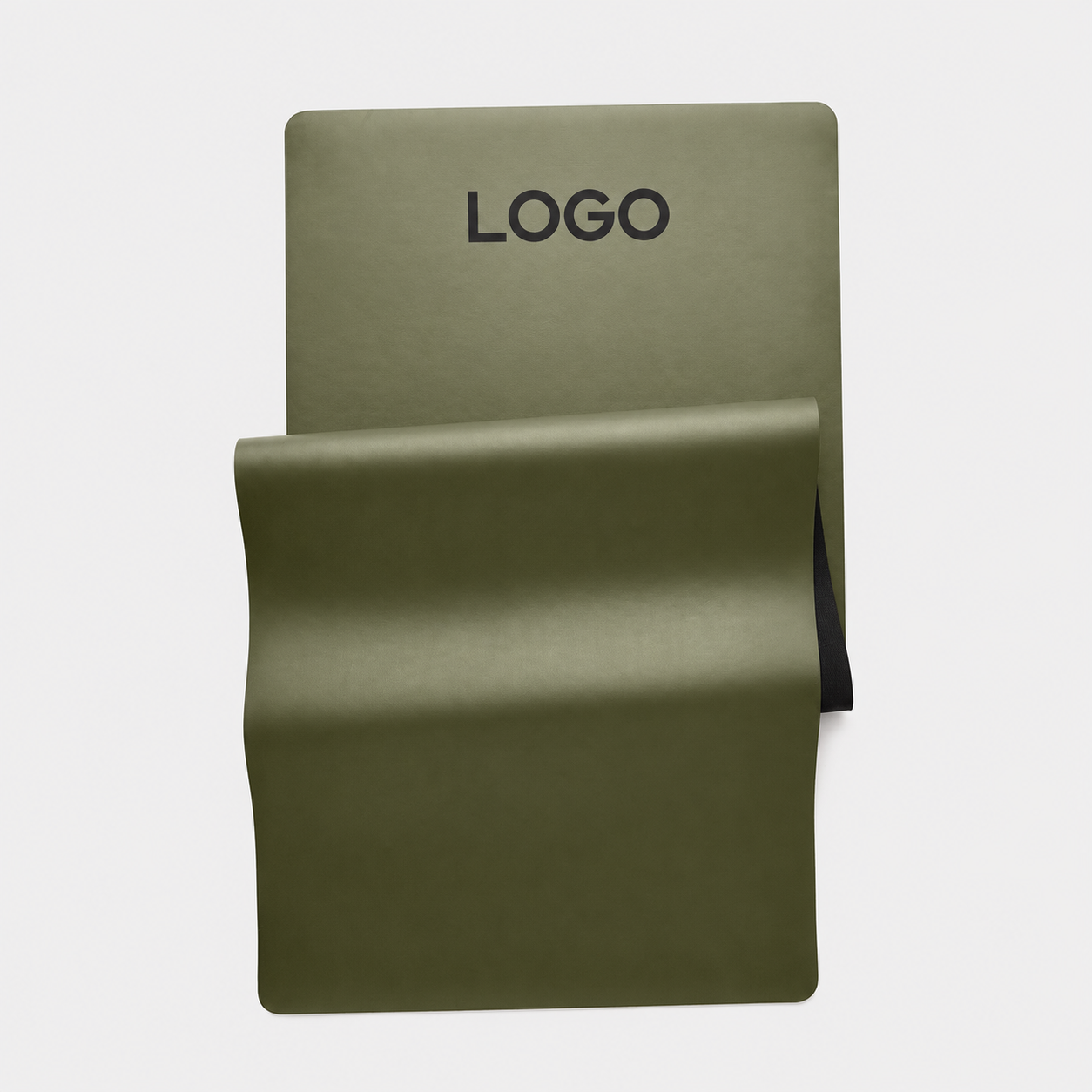
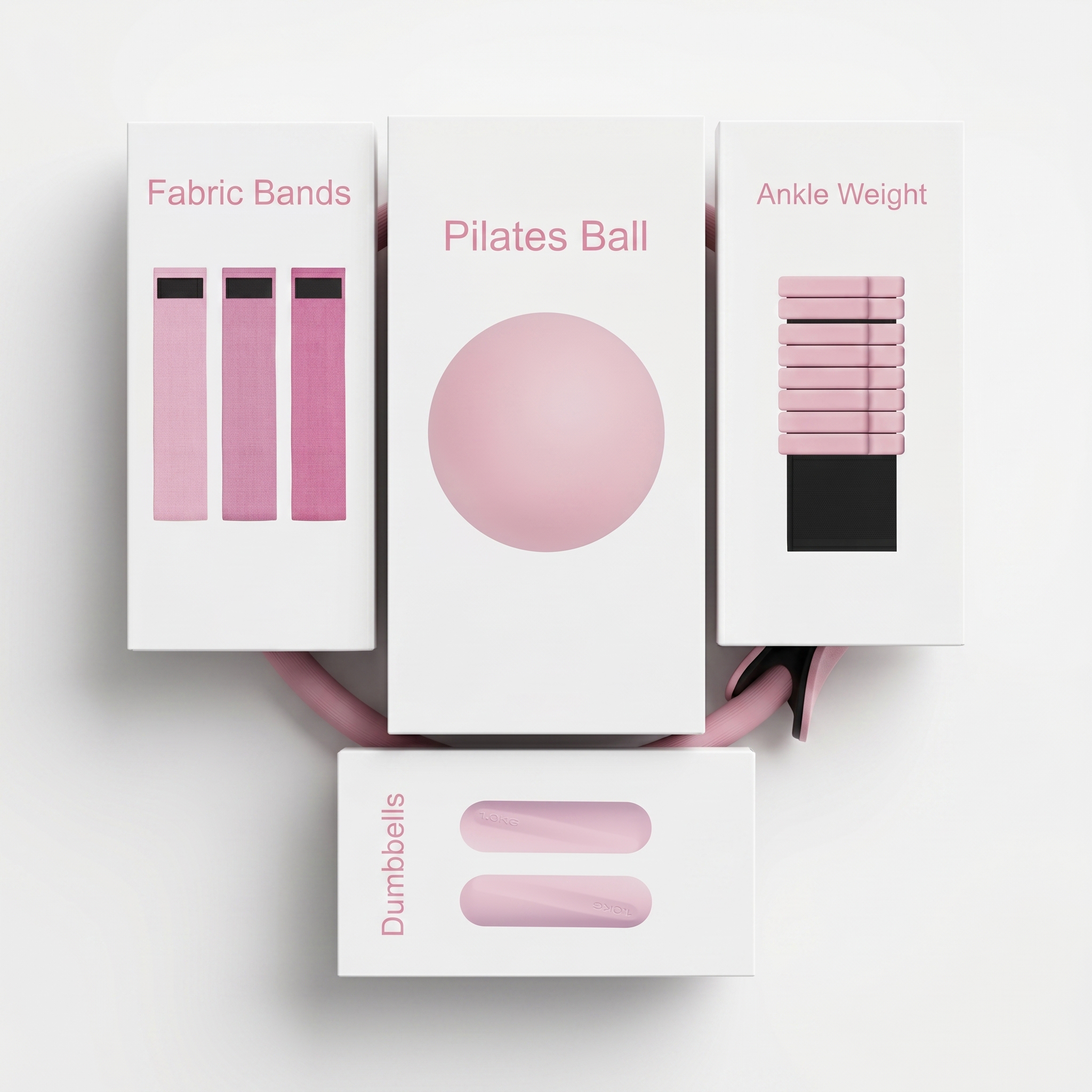
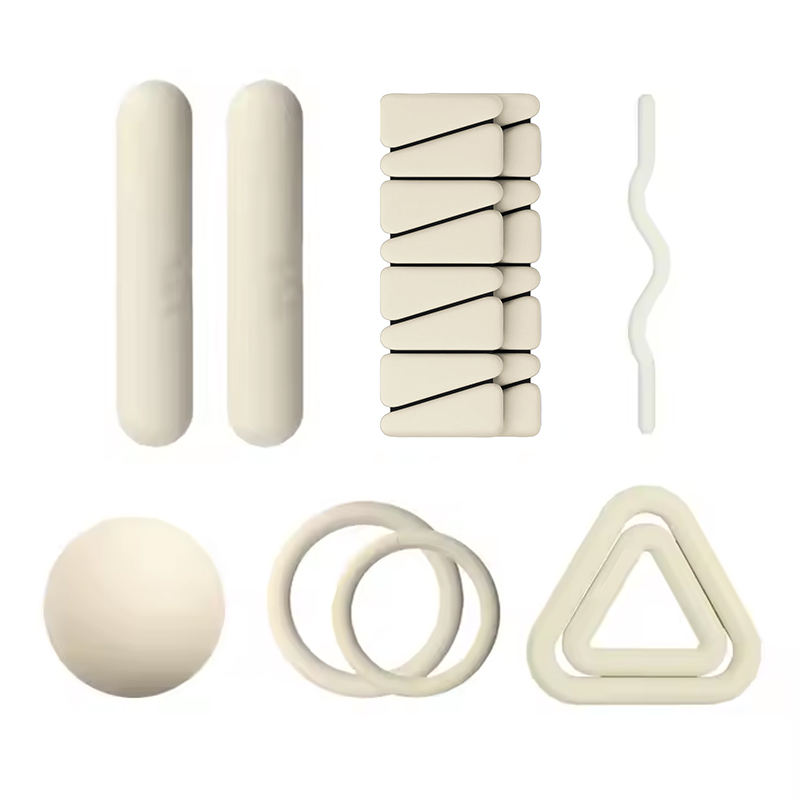
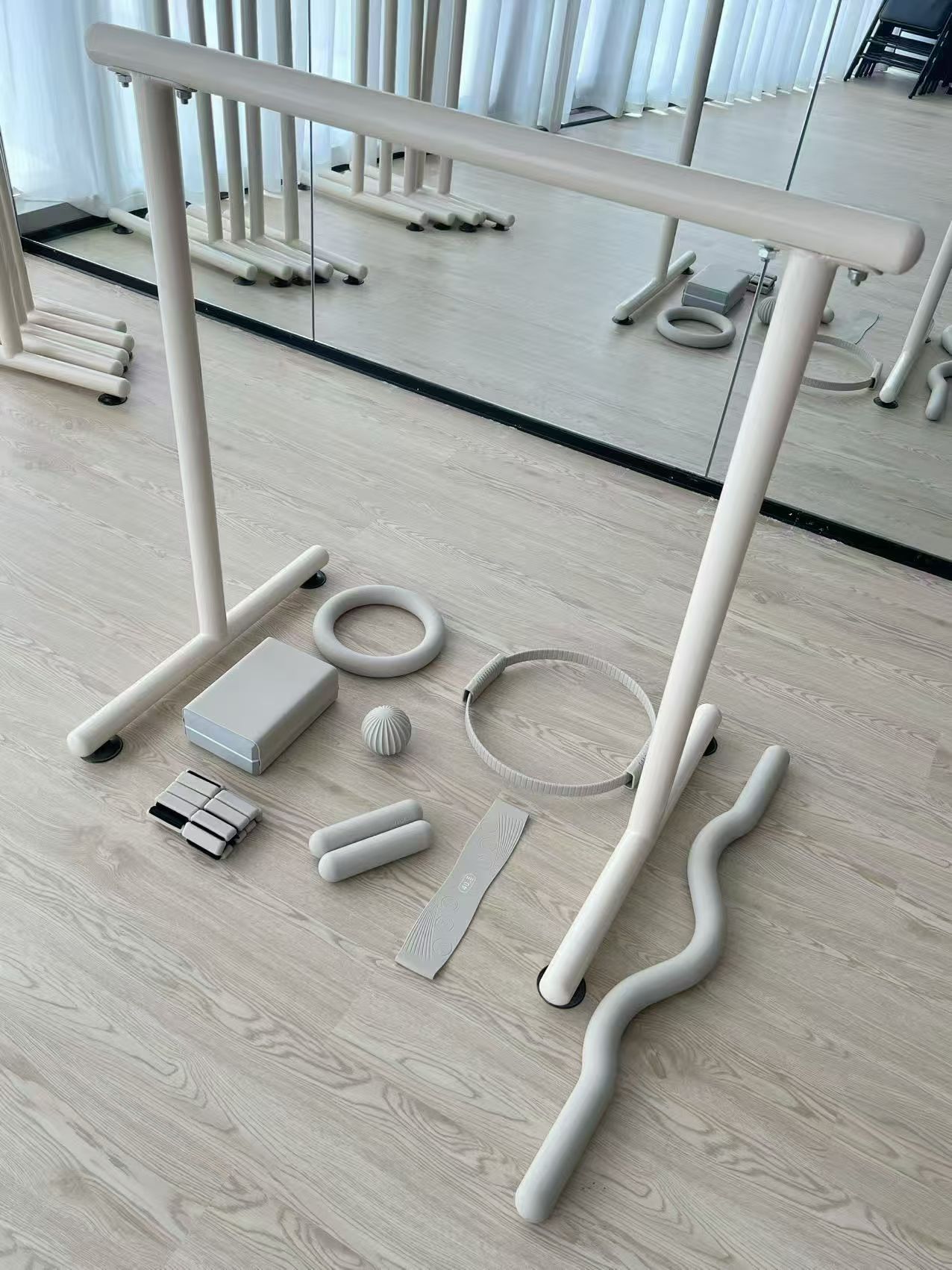
One reason Silicone Wrist Weights are valuable for B2B buyers is that they work naturally with other products. A brand can coordinate wrist weights with silicone dumbbells, PU yoga mats, Pilates rings, resistance bands, yoga balls, sports water bottles, yoga bags and gift boxes. This collection strategy can support cross-selling, improve visual consistency and make the brand feel more complete.
For e-commerce, a coordinated collection gives buyers stronger visual assets and clearer product bundles. For studios, it creates a professional equipment environment. For retailers, matching products can help build a more organized shelf story. The key is to plan color, branding and packaging together from the beginning.
How Torque Supports Fitness Brands
SHENZHEN TORQUE PILATES SPORT GOODS CO., LTD supports fitness brands, Pilates studios, yoga businesses, retailers, Amazon sellers and distributors with OEM and ODM services for silicone fitness products, yoga mats, Pilates equipment and related accessories. Torque works with two specialized factories in Dongguan, Guangdong, China: one focused on yoga mats and one focused on silicone fitness products and accessories.
For silicone wrist weights, Torque can support custom colors, Pantone color matching, logo customization, private label packaging, gift box solutions and coordinated fitness product collections. With more than 10 years of manufacturing and export experience, the team can help buyers move from product idea to sample review, packaging planning and production preparation without turning the process into a generic factory transaction.
Brands can review Torque OEM and ODM services, learn more about the factory background, or contact the Torque team to discuss product weight, color, logo and packaging requirements.

Frequently Asked Questions
What should brands consider first when choosing silicone wrist weights?
Start with the target customer and workout use. Pilates studios, Amazon sellers and retailers may need different weight ranges, colors and packaging formats. Once the customer group is clear, it becomes easier to choose product weight, strap construction, logo style and packaging level.
Can silicone wrist weights be customized with a logo?
Yes. Logo customization can be planned through suitable methods such as printing, embossed branding or debossed branding depending on the product surface, logo size and desired finish. Final logo effect should be confirmed through sample approval before mass production.
Can Torque match Pantone colors?
Torque supports Pantone color matching for private label projects. Buyers should provide the Pantone code or a physical reference. Real sample review is important because silicone color can appear different under various lighting conditions and with different surface finishes.
What MOQ is suitable for a new fitness brand?
MOQ depends on the selected product design, color, packaging and customization level. Low MOQ support may be available for some projects, especially when brands want to test a new product. The exact MOQ should be confirmed based on the product brief.
Are silicone wrist weights suitable for Pilates studios?
Yes. Silicone wrist weights can fit Pilates studios because they offer hands-free resistance, a clean appearance and easy-care surfaces. Studios should choose comfortable weight levels and colors that match the studio environment and training style.
Can wrist weights be sold as part of a gift set?
Yes. Wrist weights can be combined with resistance bands, Pilates balls, yoga mats or silicone dumbbells in a coordinated gift set. Gift box packaging, instruction cards, barcode labels and branded inserts can help prepare the set for retail or e-commerce.
How long does production take?
Production time depends on sample approval, order quantity, customization details and packaging requirements. Buyers should confirm lead time after the final product specification, color, logo and packaging plan are approved.
Can certifications or compliance documents be provided?
Available documents depend on the product, material, market and buyer requirements. Brands should share the destination market and required compliance expectations early so the team can confirm what is available or what may need additional review.
Ready to Develop Private Label Silicone Wrist Weights?
Torque provides OEM and private label support for silicone wrist weights, silicone dumbbells and coordinated fitness collections. Contact our team to discuss weight options, custom colors, logo methods, packaging and target quantities.